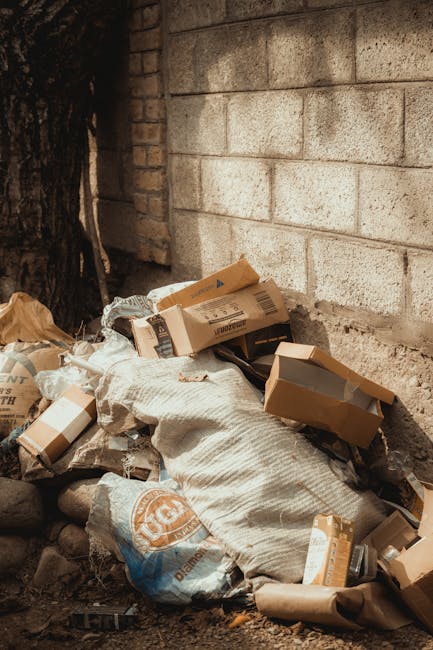
Avoid hidden rubbish removal charges in Kensington what to know

Hidden fees can turn a simple clear-out into a frustrating bill shock. If you are trying to avoid hidden rubbish removal charges in Kensington, the good news is that most surprises are preventable once you know what to look for. A fair quote should make sense before anyone lifts a bag, not after the van has already arrived and the pile suddenly looks "bigger than expected".
This guide breaks down how rubbish removal pricing usually works in Kensington, where extra charges creep in, and how to compare services without getting caught out. We will look at the small-print traps, the questions worth asking, and the practical checks that help you stay in control. Truth be told, the cheapest headline price is not always the cheapest job.
If you are clearing a flat, sorting an office, dealing with builders' waste, or just trying to make sense of a cluttered room, this article will help you choose more confidently and pay for the service you actually need.
Why Avoid hidden rubbish removal charges in Kensington what to know Matters
Kensington is a busy part of London, and that matters more than people think when it comes to rubbish removal. Access can be tight, parking may be awkward, and a job that looks straightforward on the phone can become more involved once a team arrives. That is not automatically a problem. The problem is when those realities are not explained clearly before you agree to the work.
Hidden charges usually appear in one of three places: the quote, the arrival process, or the final invoice. Sometimes the price seems low because it only covers a small amount of waste. Sometimes labour, heavy lifting, stairs, parking, congestion, or special waste handling are added later. And sometimes the quote is vague enough that almost anything can be called an "extra".
Why does this matter so much? Because rubbish removal is one of those services where the customer often cannot fully judge the cost until the job is done. You may be busy, the clutter may be stressful, and nobody wants a long back-and-forth over a sofa, a broken wardrobe, or a pile of builder's rubble. A clear pricing setup protects your budget and saves a lot of awkwardness.
There is also a trust issue. A transparent company tends to be more organised overall. If they are clear about pricing, they are usually clearer about timing, access, waste types, and what happens if the job changes. That does not guarantee perfection, of course. But it is a strong sign.
To be fair, some extra charges can be legitimate. A mattress is not the same as mixed construction waste. A third-floor walk-up is not the same as a ground-floor collection. The key is whether those things are explained up front, in plain English, rather than slipped in at the end.
Expert summary: In Kensington, the safest way to avoid surprise costs is to get a written, itemised quote, describe access honestly, list anything unusual, and confirm what is included before booking.
How Avoid hidden rubbish removal charges in Kensington what to know Works
Most rubbish removal jobs follow a fairly simple pattern. You explain what needs to go, the provider estimates the volume or weight, and the price is set based on labour, disposal, access, and waste type. The hidden-charge risk comes from any part of that process being left open to interpretation.
In practice, the quote may be based on:
- Volume - how much space the waste takes up in the vehicle
- Weight - especially relevant for heavy materials such as rubble or soil
- Labour time - how long the team expects the job to take
- Access conditions - stairs, distance from the property, narrow roads, or parking limits
- Waste category - general rubbish, green waste, white goods, furniture, or hazardous items
Where people get caught is assuming the quote includes everything. For example, a rough price for "a few bulky items" may not include dismantling, carrying items from a loft, or extra loading time if the pile turns out to be larger. In a Kensington terrace or flat conversion, those details can matter quite a bit.
A well-run service usually asks follow-up questions before confirming the price. That might feel a bit fussy, but it is actually a good sign. The team wants to know whether there are stairs, whether parking is difficult, whether the items are on the street or inside, and whether there is anything unusual such as fridges, paint tins, or plasterboard. One quick photo can prevent a messy misunderstanding later.
Some providers offer instant pricing online, while others prefer to quote after a call or a site visit. Both can work. The main thing is that the quote should be specific enough to compare fairly. If you are not sure what is included, ask them to spell it out. Plainly. No jargon.
Key Benefits and Practical Advantages
Taking time to avoid hidden rubbish removal charges is not just about saving money, although that is part of it. It also makes the whole process calmer and more predictable. And in a city like London, predictability is underrated.
- Better budgeting: You know what the job will cost before the van turns up.
- Fewer disputes: Clear quotes reduce the chance of disagreement at the doorstep.
- Faster jobs: When access and waste type are understood in advance, collections usually run more smoothly.
- Less stress: There is enough to think about during a clearance without worrying about a surprise surcharge.
- Improved comparison: Itemised quotes let you compare like for like, not headline price versus hidden extras.
- Stronger trust: Transparent pricing usually goes hand in hand with better service standards.
There is another practical benefit people miss: a clear quote can help you decide what to keep, sell, donate, or separate before collection. If you know a sofa, wardrobe, or appliance carries a different charge, you might choose to move it yourself or arrange it differently. Small decisions, yes, but they add up.
In a Kensington flat, for instance, a resident may already be juggling lift access, neighbours, and a narrow window for collection. A transparent rubbish removal plan means fewer surprises on the day, which is exactly what you want when the hallway is full and the kettle is on the edge of a long afternoon.
Who This Is For and When It Makes Sense
This advice is useful for almost anyone booking rubbish removal in Kensington, but it is especially relevant if your job has one or more of the following features:
- You live in a flat or maisonette with stairs or restricted access
- You are clearing bulky furniture, appliances, or mixed household waste
- You are dealing with builders' waste after a renovation
- You need same-day or short-notice removal
- You are comparing several quotes and want to avoid vague pricing
- You have items that may count as special waste
- You want a smooth collection with minimal disruption to neighbours
This also makes sense for landlords, letting agents, office managers, and small business owners. A cheap quote can look tempting when a deadline is looming, but the wrong pricing structure can eat into time and profit very quickly. A missed detail can be more expensive than a slightly higher transparent quote.
If you are clearing out a property after tenants have left, for example, the job often looks simple until someone opens a cupboard, discovers broken fittings, and realises there is more waste than expected. That is exactly the sort of scenario where a careful quote helps.
Step-by-Step Guidance
Here is a practical way to reduce the risk of hidden rubbish removal charges before you book anything.
1. Make a proper list of what needs removing
Start with the obvious items, then check cupboards, lofts, sheds, under-bed storage, and awkward corners. You do not need to measure every mug, obviously, but you do need to flag anything bulky, heavy, or unusual.
2. Take clear photos from more than one angle
Photos help a provider estimate the size and type of the load. Try to include the whole pile, nearby access points, stairs, and anything that may slow the job down. A single close-up picture is rarely enough.
3. Ask what is included in the quote
This is the bit many people skip. Ask whether the quote includes labour, loading, disposal, congestion-related costs if relevant, parking, dismantling, and VAT if applicable. If something sounds vague, ask again. You are not being difficult. You are being sensible.
4. Confirm how access affects the price
Tell them about stairs, long carry distances, basement access, permit needs, loading restrictions, and narrow streets. Kensington can be especially tricky in certain streets and mews-style properties, so access is not a side note. It is part of the job.
5. Identify any special items early
Fridges, freezers, mattresses, paint, chemicals, plasterboard, and some electrical items can be treated differently. If you have anything that might require special handling, say so early. It is far better to discuss it than have the price change on the spot.
6. Get the quote in writing
Email, text, or booking confirmation all help. A written quote creates a clear reference point. If the provider later says something was excluded, you can compare it against what was actually promised.
7. Reconfirm before collection day
If anything has changed, tell them. More waste, different access, extra heavy items, or a different property layout can all change the job. A quick update saves a lot of hassle later.
That sequence sounds simple, because it is. The trick is doing it carefully. Most hidden charges happen when one of those steps gets skipped in a rush.
Expert Tips for Better Results
Over time, a few patterns show up again and again. These are the little things that make a big difference.
- Ask for a breakdown, not just a total. A single figure is fine, but a breakdown is better when there are mixed items or access complications.
- Be specific about stairs and distance. "Second floor, no lift, long corridor" tells a provider more than "a bit awkward".
- Separate normal waste from special waste. Even if you are not sure what counts as special, list it anyway.
- Compare services on value, not just price. A lower quote that excludes labour or disposal can end up costing more.
- Check responsiveness. If a company answers pricing questions clearly before booking, that is encouraging.
- Plan for timing. If you want a morning slot before parking gets tighter or neighbours get back from work, say so early.
One useful habit is to describe your waste as if you were talking to someone who has never seen the property. Not because people are clueless, but because photos and assumptions never tell the full story. A pile of "just bags and some wood" can suddenly include broken shelving, a metal frame, and half a cabinet that nobody mentioned. Happens all the time.
Another small tip: ask whether the team will call before arrival and what happens if they are delayed. It is not directly a pricing issue, but it tells you how organised the operation is. In London, where one traffic hold-up can ruin a whole afternoon, that matters more than people admit.
Common Mistakes to Avoid
Hidden charges often start with good intentions and poor assumptions. Here are the big mistakes to watch for.
- Choosing only by headline price. The cheapest advert is often the least useful comparison.
- Not mentioning access problems. Stairs, permits, and long carries can change the final cost.
- Forgetting bulky or heavy items. A mattress or fridge may not be priced the same as mixed light waste.
- Assuming all quotes include disposal fees. Sometimes they do, sometimes they do not.
- Leaving special waste until the day of collection. That is how awkward add-ons appear.
- Not asking about VAT or minimum charges. These can make a lower-looking price less competitive in reality.
- Failing to get confirmation in writing. A quick call is useful, but it is not always enough on its own.
One particularly common mistake is underestimating the amount of waste in a flat clear-out. You think it is two chairs and a few bags. Then you open the spare room and, well, there goes the quote. Not a disaster, just a reminder that clear photos and honest descriptions are worth the extra five minutes.
Tools, Resources and Recommendations
You do not need complicated tools to avoid hidden charges, just a few practical habits and the right pages to check before booking. A phone camera, a notepad, and a measuring tape are often enough.
If you want to compare pricing and service details more carefully, these pages can help you understand what is available and how different services are structured:
- pricing and quotes for clearer cost expectations
- general waste removal information if your job is mixed or not straightforward
- online booking if you prefer to secure a slot quickly
- insurance and safety for peace of mind around handling and access
- recycling and sustainability if you want to understand disposal responsibility better
If your clearance includes specific items, it also helps to check the relevant service page before requesting a quote. That way you can describe the load more accurately and reduce the risk of surprises.
- furniture disposal for bulky household items
- fridge and appliance removal for white goods
- builders waste clearance for renovation debris
- house clearance if you are clearing a whole property
- office clearance for desks, IT waste, and business furniture
For some jobs, a quick browse of related guidance can stop you making an expensive assumption. It is a small bit of prep, but it pays off.
Law, Compliance, Standards and Best Practice
When rubbish is removed, there is more at stake than just convenience. Waste must be handled responsibly, and customers should feel confident that it is being dealt with properly. You do not need to become a legal expert to book a collection, but a few common-sense checks are worth making.
Best practice in the UK normally means the provider should be clear about what happens to collected waste, especially if items need separating, recycling, or special handling. If a company handles materials that require care, such as hazardous waste or certain electrical items, they should explain the process plainly. If they are vague, that is not ideal.
It is also sensible to check that the company has appropriate insurance and safety procedures. A professional team should be able to explain how they manage lifting, access, and site safety. That matters whether the job is a small flat clearance or a larger office or builders' waste removal.
For the customer, the best practice is equally straightforward:
- Describe the waste honestly
- Keep any restricted items separate if asked
- Ask about disposal methods when relevant
- Keep quote details and booking confirmation
- Do not assume a vague promise covers everything
There is also a simple fairness point here. If a provider underquotes because they were not given the full picture, that helps nobody. A clear and accurate description protects both sides. That is especially true with unusual loads, damaged furniture, and mixed waste from a busy Kensington property.
Options, Methods, and Comparison Table
Not every clearance job should be handled the same way. The right method depends on how much waste you have, how quickly it needs to go, and how complex the access is.
| Method | Best for | Typical strengths | Watch-outs |
|---|---|---|---|
| Pre-quoted rubbish removal | Most household and commercial clearances | Clear pricing, fast booking, less stress | Only reliable if the quote is detailed |
| On-site estimate | Jobs with uncertain volume or access | More accurate for awkward properties | May take more time to arrange |
| Fixed-item collection | Single bulky items like mattresses or appliances | Simple for one-off removals | Not cost-effective for mixed loads |
| Full property clearance | Homes, flats, probate, or end-of-tenancy clear-outs | Handles multiple item types in one visit | Needs very clear scoping to avoid extras |
| Builders' waste clearance | Renovations and refurbishment debris | Efficient for heavy, messy waste | Weight, access, and waste type can affect cost |
If your job is a straightforward pile of mixed household items, a detailed pre-quote may be enough. If the property is awkward, the items are heavy, or you are not quite sure what is hidden in the back room, a more careful on-site estimate can be worth it. Not glamorous, maybe, but practical. And practical usually wins.
A lot of people ask whether a skip is better. Sometimes it is, sometimes it is not. If you want to compare your options, the guidance on what can go in a skip can help you judge whether a skip-style approach makes sense for your waste type and access situation.
Case Study or Real-World Example
Imagine a Kensington resident clearing a one-bedroom flat after a move. On paper, it looks simple: a bed base, a wardrobe, three bags of mixed waste, an old chair, and a few boxes from the kitchen. The first quote comes back low and sounds attractive. Nice and easy.
Then the details emerge. The flat is on the third floor, there is no lift, parking is tight, and the wardrobe needs dismantling before it can be carried down the stairs. There is also a fridge in the utility area that was not mentioned at the start. Suddenly the original figure no longer reflects the real job.
A better approach would have been to send photos, mention the fridge, confirm the stairs, and ask whether dismantling and labour were included. In that version of the story, the final price is less likely to jump. The job is still the job, but everyone knows where they stand.
We have seen versions of this with office clearances too. A desk collection sounds quick until someone remembers there are two filing cabinets, a screen bracket, and a pile of confidential paper. Once the details come out, the quote is adjusted for the right reasons rather than the wrong ones. That is how it should work.
Practical Checklist
Use this checklist before you book rubbish removal in Kensington:
- List every item to be removed
- Take clear photos of the waste and access route
- Tell the provider about stairs, lifts, parking, and distance from the property
- Flag bulky, heavy, or awkward items
- Mention fridges, mattresses, paint, rubble, or other special materials
- Ask exactly what the quote includes
- Confirm whether labour, disposal, VAT, and call-out charges are included
- Request the quote in writing
- Check the cancellation or amendment terms if plans might change
- Reconfirm the details before collection day
If you can tick most of those boxes, you are already far ahead of the average booking. Simple, really. Not always easy, but simple.
Conclusion
To avoid hidden rubbish removal charges in Kensington, focus on clarity before collection rather than explanations after the fact. The best protection is a detailed description, honest access information, a written quote, and a willingness to ask direct questions. A good provider will not mind that at all.
Whether you are clearing a flat, removing furniture, or dealing with builders' waste, the same rule applies: the more specific you are, the less room there is for surprise charges. And in Kensington, where access and logistics can change a job quickly, that habit is worth its weight in gold. Or at least a lot less than an unexpected add-on fee.
Get a free quote today and see how much you can save.
Take your time, check the details, and choose the option that feels clear rather than merely cheap. That little bit of care can make the whole process feel lighter.
Frequently Asked Questions
How do I avoid hidden rubbish removal charges in Kensington?
Ask for an itemised quote, share photos, explain access clearly, and confirm whether labour, disposal, VAT, and special item charges are included. Written confirmation is the safest option.
Why do rubbish removal prices change after booking?
Prices often change when the actual waste volume, item type, access, or labour required is different from what was described at the start. The change may be fair, but it should be explained clearly.
Is the cheapest quote usually the best choice?
Not always. A low headline price can leave out disposal, stairs, heavy lifting, or special items. Compare the full service, not just the number on the page.
Should I send photos before getting a quote?
Yes, if possible. Photos help the provider judge the amount of waste and any access issues, which reduces the chance of surprise charges later.
What details are most important to mention upfront?
Tell them about stairs, parking, lift access, distance from the van, bulky furniture, appliances, rubble, and anything that might need dismantling or special handling.
Are mattress, fridge, and appliance removals priced differently?
They often are. These items can involve different handling or disposal requirements, so it is best to confirm the charge before the job is booked.
Do I need to worry about VAT or minimum charges?
Yes, because they can affect the final price. A quote should make it clear whether VAT is included and whether there is a minimum job charge.
What if my waste amount changes on the day?
Tell the provider as early as you can. A small change may not matter much, but a larger change can alter the quote and should be agreed before the job starts.
Can I reduce costs by preparing the waste myself?
Often, yes. Group similar items together, separate anything unusual, and make access easier if you can. Even small preparation can reduce labour time and complications.
Is a written quote really necessary?
Very much so. A written quote gives you something to compare against if the final bill looks different. It is one of the simplest ways to avoid misunderstandings.
What if the provider says they need to charge extra on arrival?
Ask for a clear explanation and compare it with the original quote details. If the new charge is due to something you did not disclose, it may be legitimate. If not, you should question it.
How can I tell if a rubbish removal company is being transparent?
They should answer pricing questions clearly, explain exclusions, ask sensible follow-up questions, and avoid rushing you into a decision. Straight answers are usually a good sign.
Does access really affect rubbish removal costs that much?
Yes, it can. Stairs, narrow roads, parking restrictions, and long carrying distances all take more time and effort, so they can reasonably affect the price.
What is the best next step if I want to book confidently?
Gather photos, note any awkward details, check the relevant service page, and request a clear written quote. That simple routine usually prevents most unwanted surprises.