Comprehensive Business Waste Removal Services in Kensington
Introduction to Business Waste Removal
Managing waste is an essential aspect of running any business in Kensington. Effective business waste removal not only ensures a clean and safe working environment but also contributes to sustainability efforts and compliance with local regulations.
Whether you operate a small office or a large industrial facility, understanding the best practices for waste management can significantly impact your business operations and reputation.
In this article, we will explore the various aspects of business waste removal in Kensington, including services offered, benefits, and tips for choosing the right provider.
Types of Business Waste
Businesses generate different types of waste, each requiring specific handling and disposal methods. Common categories include:
- General Waste: Non-hazardous waste such as office paper, food scraps, and packaging materials.
- Recyclable Materials: Items like cardboard, plastics, metals, and glass that can be processed and reused.
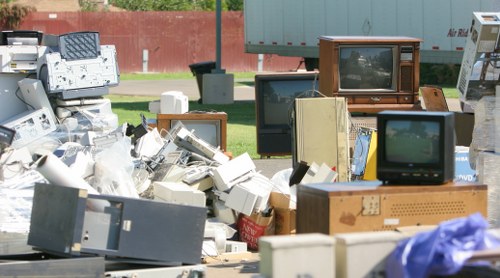
- Hazardous Waste: Substances that are dangerous or potentially harmful, including chemicals, batteries, and electronic waste.
- Construction and Demolition Debris: Waste generated from building or renovating structures, such as concrete, wood, and metal scraps.
Proper classification and separation of these waste types are crucial for efficient removal and recycling processes.
Understanding the distinct categories helps businesses comply with environmental regulations and promotes responsible waste management practices.
Benefits of Professional Waste Removal Services
Engaging professional waste removal services in Kensington offers numerous advantages for businesses:
- Compliance: Ensures adherence to local waste disposal regulations and environmental laws.
- Efficiency: Streamlines the waste management process, saving time and resources.
- Cost-Effectiveness: Reduces expenses associated with in-house waste disposal and potential fines.
- Environmental Impact: Promotes recycling and responsible disposal, contributing to a greener community.
- Health and Safety: Minimizes the risk of accidents and health hazards related to improper waste handling.
These benefits not only enhance operational efficiency but also support sustainable business practices.
Choosing the right waste removal partner can lead to long-term positive outcomes for your business.

Choosing the Right Waste Removal Service
Assessing Your Business Needs
Before selecting a waste removal service, it's essential to evaluate your specific requirements:
- Volume of Waste: Determine the amount of waste generated daily or weekly.
- Type of Waste: Identify whether the waste is general, recyclable, or hazardous.
- Frequency of Collection: Decide how often waste pickup is needed based on your business operations.
- Budget Constraints: Consider the costs associated with different service providers.
Accurately assessing these factors ensures that you choose a service that aligns with your business needs and budget.
Evaluating Service Providers
When evaluating potential waste removal companies, consider the following:
- Reputation: Look for reviews and testimonials from other businesses in Kensington.
- Licensing and Certification: Ensure the provider complies with all local regulations and holds necessary certifications.
- Range of Services: Check if they offer comprehensive services, including recycling and hazardous waste disposal.
- Customer Support: Assess the quality of customer service and responsiveness to inquiries.
- Environmental Practices: Prefer companies committed to sustainable waste management practices.

Implementing Effective Waste Management Strategies
Waste Reduction Techniques
Adopting waste reduction strategies can significantly lower the amount of waste your business generates:
- Minimize Single-Use Items: Encourage the use of reusable products within the workplace.
- Optimize Inventory Management: Reduce overstocking to decrease excess packaging waste.
- Digital Documentation: Transition to digital records to cut down on paper waste.
- Employee Training: Educate staff on proper waste segregation and disposal practices.
These techniques not only reduce waste but also promote a culture of sustainability within your organization.
Recycling Initiatives
Implementing recycling programs can enhance your waste management efforts:
- Establish Collection Points: Set up designated areas for sorting recyclable materials.
- Partner with Recycling Facilities: Collaborate with local recyclers to ensure proper processing of materials.
- Track Recycling Metrics: Monitor the amount of waste recycled to measure the effectiveness of your initiatives.
Effective recycling initiatives contribute to environmental conservation and can improve your business's sustainability credentials.
Cost Considerations for Waste Removal
Understanding the cost factors associated with business waste removal helps in budgeting and financial planning:
- Volume of Waste: Larger volumes typically incur higher disposal fees.
- Type of Waste: Hazardous or special waste types may require additional handling and incur extra costs.
- Frequency of Service: More frequent pickups can increase overall expenses.
- Service Provider Rates: Prices vary based on the provider's pricing structure and service offerings.
It's important to balance cost with service quality to ensure you receive reliable and efficient waste removal without overspending.
Requesting detailed quotes from multiple providers can help you make an informed decision.
Regulatory Compliance and Environmental Standards
Local Regulations in Kensington
Kensington has specific regulations governing business waste disposal to protect the environment and public health. Key aspects include:
- Proper Waste Segregation: Businesses must separate waste into appropriate categories for disposal and recycling.
- Permit Requirements: Certain types of waste disposal may require permits or licenses.
- Reporting Obligations: Regular reporting of waste management practices may be mandated.
- Penalties for Non-Compliance: Failure to adhere to regulations can result in fines and legal repercussions.
Staying informed about these regulations is crucial for maintaining compliance and avoiding potential penalties.
Environmental Impact
Effective waste management reduces the environmental footprint of your business:
- Resource Conservation: Recycling conserves natural resources by reusing materials.
- Pollution Reduction: Proper waste disposal minimizes pollution of air, water, and soil.
- Carbon Footprint: Sustainable waste practices contribute to lowering greenhouse gas emissions.
- Biodiversity Protection: Responsible waste management helps preserve local ecosystems.
Adhering to environmental standards not only benefits the planet but also enhances your business's image as a responsible entity.
Technology in Waste Removal
Modern Waste Management Solutions
Advancements in technology have transformed the waste removal industry, offering more efficient and effective solutions:
- Automated Sorting Systems: Use of robotics and AI to sort and separate recyclable materials.
- Smart Waste Bins: Equipped with sensors to monitor waste levels and optimize collection routes.
- Data Analytics: Analyzing waste generation patterns to improve management strategies.
- Eco-Friendly Vehicles: Adoption of electric or hybrid trucks to reduce carbon emissions during transportation.
Integrating these technologies can enhance the efficiency of your waste removal processes and support sustainability goals.
Benefits of Technology Integration
Implementing technological solutions in waste management offers several benefits:
- Increased Efficiency: Streamlines operations and reduces manual labor.
- Cost Savings: Minimizes operational costs through optimized routes and reduced waste.
- Enhanced Monitoring: Provides real-time data for better decision-making.
- Improved Sustainability: Supports eco-friendly practices through advanced technologies.
Case Studies: Successful Waste Removal in Kensington
Example 1: Office Complex
A large office complex in Kensington partnered with a professional waste removal service to streamline their waste management. By implementing regular pickups, recycling programs, and employee training, they significantly reduced their waste output and achieved compliance with local regulations.
This collaboration resulted in cost savings, improved workplace cleanliness, and enhanced corporate social responsibility.
Example 2: Retail Store
A retail store facing high waste generation challenges adopted a comprehensive waste removal strategy. The solution included segregating waste, partnering with recyclers, and utilizing smart waste bins to monitor waste levels. This approach not only minimized waste but also promoted a greener image to customers.
The store experienced reduced disposal fees and increased customer satisfaction through their commitment to sustainable practices.
Future Trends in Waste Removal
Sustainable Practices
The future of business waste removal in Kensington lies in sustainability. Emerging trends include:
- Zero Waste Initiatives: Striving for no waste sent to landfills by maximizing recycling and reuse.
- Circular Economy: Designing products and processes that keep materials in use for as long as possible.
- Green Certifications: Obtaining certifications that recognize sustainable waste management practices.
Innovation and Collaboration
Innovation in waste management technology and collaborative efforts among businesses, government, and service providers will drive progress. Embracing innovative solutions and working together can lead to more effective and sustainable waste removal systems.
Conclusion
Effective business waste removal in Kensington is crucial for maintaining a clean environment, ensuring regulatory compliance, and promoting sustainability. By choosing the right waste removal service, implementing waste reduction strategies, and embracing technological advancements, businesses can manage their waste efficiently and responsibly.
Investing in professional waste removal services not only benefits your business operations but also contributes to a healthier and more sustainable community.
Contact us today to discover how our comprehensive waste removal solutions can support your business needs and environmental goals.
Book your service now and take the first step towards efficient and sustainable waste management.
