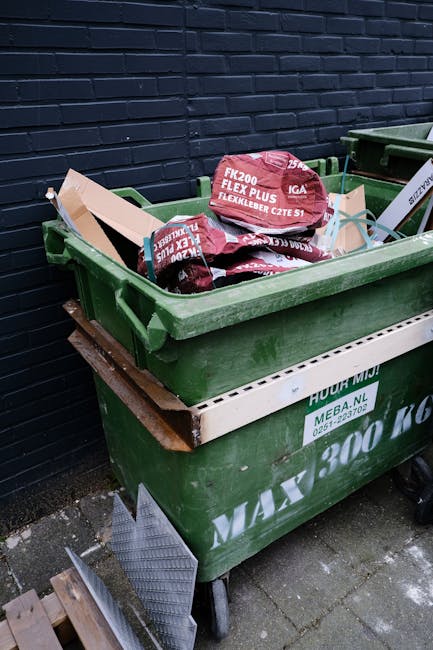
Gloucester Road bulky rubbish collection W8 residents: a practical guide for clearing large items the right way
If you live near Gloucester Road and you're trying to deal with a sofa, mattress, broken wardrobe, or a pile of awkward household junk, you already know the basic problem: bulky waste is never as simple as "put it out and forget it." For Gloucester Road bulky rubbish collection W8 residents, the challenge is usually a mix of space, access, timing, and making sure the waste is handled properly. This guide walks you through the process in plain English, so you can choose the cleanest, safest, and least stressful route.
Whether you're clearing a flat, emptying a spare room, or finally getting rid of that item that has been leaning in the hall for months, you'll find practical steps here. We'll look at how bulky rubbish collection works, what items are commonly removed, where people go wrong, and what to check before booking a collection. Straightforward stuff, really. But the sort of straightforward stuff that saves you a headache later.
Why Gloucester Road bulky rubbish collection W8 residents Matters
Bulky rubbish sounds simple until you actually try to move it through a narrow hallway or down a couple of flights of stairs. In W8, many homes and flats are busy, compact, and not designed for storing large waste for long. That means furniture, broken appliances, or renovation leftovers can get in the way fast. And once they start blocking a corridor or taking over a spare room, the whole place feels less manageable.
For local residents, reliable bulky rubbish collection matters for three big reasons. First, it helps keep living spaces safe and usable. Second, it reduces the risk of lifting injuries or damage to walls, floors, and door frames. Third, it gives you a lawful and responsible route for disposal rather than leaving items outside and hoping for the best. Let's face it, no one wants a half-dismantled sofa lingering by the front door for days.
There's also the neighbour factor. In a shared building or terrace, one person's waste can quickly become everyone's eyesore. If bulky items are left in communal areas, they can block access, create complaints, and attract more mess. A proper collection keeps the process contained and tidy.
Expert summary: The best bulky rubbish collection is not just about removing stuff quickly. It is about handling access, protecting the property, separating recyclable items where possible, and making sure the job ends with a clean space, not a bigger problem.
If you're weighing up local clearance options, it can also help to compare broader services like waste removal, house clearance, or flat clearance depending on how much needs shifting.
How Gloucester Road bulky rubbish collection W8 residents Works
Most bulky rubbish collections follow a fairly simple pattern: you identify the items, book a suitable slot, and have them taken away by a team that knows how to handle large or awkward objects. That sounds almost too easy, but the detail matters. The actual experience depends on access, the type of rubbish, and whether the items need dismantling or special handling.
For a typical collection, the team will usually ask what needs removing, where it is located, and whether there are any restrictions such as narrow stairwells, no lift access, limited parking, or shared entryways. In a place like Gloucester Road, those details make a real difference. A large chair that is simple to carry from a ground-floor room is one thing. A heavy wardrobe at the top of a narrow staircase is another story entirely.
Depending on the service, the collection may be grouped with other waste removal jobs or completed as a dedicated visit. Dedicated collections are often the better choice when you have several large items, tight access, or a time-sensitive move-out. If the job includes mixed waste, furniture, or appliances, the crew may separate what can be recycled, reused, or treated as special waste. Good operators do not just haul everything blindly into a vehicle and call it done.
Some items need extra caution. Fridges, freezers, and other white goods can't be treated like ordinary rubbish. Sofas, mattresses, and electrical items may also follow different handling routes depending on their condition and material. If you are clearing a bed set or old seating, the dedicated pages on mattress and sofa disposal, fridge and appliance removal, and furniture disposal are worth looking at.
Key Benefits and Practical Advantages
The obvious benefit is that the rubbish goes. But the real value is what that removal gives back to you: time, space, peace of mind, and a safer home environment. People often underestimate how much mental weight sits on top of physical clutter. One old sofa in the corner becomes a visual reminder that the job still isn't finished. A clear room feels lighter. You notice it the moment you walk in.
- Less lifting and fewer injury risks: bulky furniture and appliances are awkward for one person to move safely.
- Better use of space: spare rooms, hallways, storage cupboards, and balconies can return to normal life.
- Cleaner shared areas: important in flats and managed buildings where access matters.
- More suitable handling: some items can be recycled, reused, or disposed of with better environmental care.
- Quicker turnaround: useful before a tenancy change, sale, refurbishment, or family visit.
There is also a practical financial angle. In many cases, paying for a specialist collection can be more efficient than hiring a van, finding helpers, buying protective gear, and spending half the day moving things around. That is before you factor in parking stress. London parking alone can turn a simple job into a small drama.
If your clear-out is bigger than a few items, you may also want to compare furniture-focused options such as furniture clearance or whole-property services like home clearance and loft clearance.
Who This Is For and When It Makes Sense
This kind of service is not just for people moving out. In real life, bulky rubbish builds up in all sorts of ordinary situations. A shelf collapses. A tenant leaves behind furniture. A new bed arrives and the old one has nowhere to go. Or maybe the garage becomes a sort of holding pen for "stuff we'll deal with later." We've all seen that room. Maybe not admitted it out loud, but still.
It makes sense if you are:
- clearing a flat after a move or tenancy change
- dealing with one or two large items too heavy for normal waste bins
- replacing furniture and want the old pieces removed properly
- emptying a loft, garage, or storage space
- managing a probate, refurbishment, or downsizing project
- preparing a property for letting, sale, or handover
It also makes sense if the item is just awkward. Sometimes the problem isn't the size alone, it's the shape. A wide wardrobe, a cracked desk, a headboard, or a sofa with one stubborn corner can all be more trouble than they look. If the collection includes mixed household clutter, a broader house clearance or garage clearance may be the cleaner route.
Step-by-Step Guidance
If you want the process to go smoothly, a little preparation helps a lot. You do not need to turn the place upside down. Just make the job clear and accessible.
- List what needs removing. Be specific. "One three-seat sofa, one mattress, two broken chairs" is far more useful than "a few bits."
- Check access. Look at staircases, lifts, door widths, parking options, and whether anything must be carried through shared spaces.
- Separate unusual items. Appliances, fridges, and anything potentially hazardous should be identified early.
- Ask about recycling or reuse. Some items may be handled differently if they are in usable condition.
- Choose a suitable time. Morning collections can be easier in busier streets, but the right slot depends on your building and routine.
- Clear pathways. Move small obstacles, shoes, plant pots, bins, and loose bits that could slow the team down.
- Confirm what happens after collection. A responsible provider should explain disposal, recycling, and any restrictions.
One useful habit is to take a quick photo of the items before booking. Not glamorous, but handy. It helps avoid misunderstandings and gives a much clearer picture than trying to describe a battered sofa over the phone while juggling the kettle.
If you are pricing up the work, take a look at pricing and quotes so you know what information is usually needed before a proper estimate can be given.
Expert Tips for Better Results
In our experience, the best collections are the ones where the customer thinks like a remover for five minutes. Not forever. Just enough to remove uncertainty.
- Bundle items by room. It makes surveying and loading faster.
- Disassemble when sensible. Flat-pack furniture often moves far easier in parts, especially in older buildings.
- Keep fragile or private items separate. If a drawer or cupboard contains papers, photos, or personal bits, remove them first.
- Tell the team about access quirks. A narrow turn or shared entrance can change the whole load plan.
- Plan around neighbours where possible. Less noise, less congestion, fewer awkward glances in the stairwell.
Another small but useful tip: if you think an item might be recyclable, say so. A good removal team would rather know in advance than guess on the day. And if you're clearing office furniture or stockroom waste, the same logic applies; the page on office clearance can help frame that type of job.
Truth be told, a lot of stress comes from under-preparing by just ten minutes. That's all it takes. Ten minutes to label, separate, and move things into a clearer order. Small effort, big difference.
Common Mistakes to Avoid
There are a few repeat mistakes people make with bulky rubbish. None of them are dramatic, but they can turn a tidy collection into a messy one.
- Leaving booking details vague. "A lot of stuff" is not enough information.
- Forgetting about access. A collection can take longer or cost more if the team cannot reach the items easily.
- Mixing prohibited or specialist waste with normal furniture. Hazardous items need the right route.
- Assuming everything can go together. Electrical items, appliances, and standard household waste may be treated differently.
- Waiting until the last minute. This is especially risky before moving day or a landlord inspection.
- Leaving items in shared areas too long. In communal buildings, that can create complaints or block access.
People also sometimes underestimate the emotional side. Clearing out a family property or downsizing a long-term home can feel heavy, even if the physical job is small. That's normal. The work itself is practical, but the context often isn't. Take your time with that part.
Tools, Resources and Recommendations
You do not need specialist equipment for every job, but a few basic tools can make preparation easier. Think of this as the low-drama toolkit.
- Work gloves: useful for splinters, sharp edges, and dusty items.
- Moving blankets or old towels: help protect walls and floors during short moves inside the property.
- Measuring tape: good for checking whether something will fit through a doorway or down stairs.
- Screwdriver or Allen keys: handy for taking apart beds, tables, or flat-pack furniture.
- Labels or sticky notes: useful if you are grouping items for removal.
For planning, the most useful resources are often the simplest ones: a phone camera, a clear list, and a realistic sense of what can be moved safely. If you are unsure about what can go in the load, the guide on what can go in a skip is a sensible reference point for understanding common waste categories, even if you are not hiring a skip itself.
If sustainability matters to you, it often should, then have a look at recycling and sustainability to see how responsible waste handling fits into the wider process.
Law, Compliance, Standards, or Best Practice
Any bulky rubbish collection should be handled with care and in line with accepted UK waste practice. You do not need to become an expert in waste law to book a collection, but it helps to know the basics. Waste should be carried, sorted, and disposed of responsibly by a suitable operator. If a business is handling your rubbish, it should be able to explain where the waste is going and how different materials are managed.
Special care is needed for items that may be hazardous, contaminated, or not suitable for ordinary disposal. This includes some electrical equipment, chemicals, and anything with sharp, broken, or leaking components. If you are in doubt, flag it early. That's the safest move, and usually the most sensible one too.
Best practice also covers insurance and safety. Professional teams should work with appropriate lifting methods, protect the property where needed, and take reasonable steps to avoid damage. You can review more on insurance and safety and the company's health and safety policy for extra reassurance.
For businesses or landlords dealing with repeated collections, the page on business waste removal is also relevant because commercial waste handling can involve different duties and expectations from one-off household clearance.
Options, Methods, or Comparison Table
Different bulky waste situations call for different approaches. Choosing the right one saves time and often money too. Here's a simple comparison to make the decision easier.
| Method | Best for | Pros | Watch out for |
|---|---|---|---|
| Bulky rubbish collection | One-off large items or a small mixed load | Fast, convenient, minimal effort | Needs clear access and accurate item details |
| Furniture clearance | Sofas, wardrobes, beds, tables, mixed furniture | Good for multiple large household pieces | May need dismantling or grouping by room |
| House or flat clearance | Whole rooms, move-outs, probate, deep decluttering | More suitable for bigger clear-outs | Requires more planning and time |
| DIY hire-and-remove | Smaller budgets with time to spare | Flexible if you can manage the lifting | Parking, loading, injury risk, disposal responsibility |
If your load is mostly furniture, start with furniture clearance. If it's a single mattress or sofa, the dedicated mattress and sofa disposal page is the better fit. Small choices like that keep the process cleaner and more efficient.
Case Study or Real-World Example
Here's a realistic example from the kind of job people often need in W8. A resident in a top-floor flat near Gloucester Road had a broken sofa, a disassembled bed frame, and two old bookcases that had been pushed into a corner for months. The hallway was narrow, the lift was small, and the building had a shared entrance that was already busy by mid-morning.
Instead of trying to handle it in stages, the resident grouped everything by the front room, removed the loose shelves and cushions first, and checked the stairwell width before the collection day. That tiny bit of preparation meant the team could work quickly, avoid scratching the walls, and remove the items in one visit. The whole flat felt calmer afterwards. Not magical, just properly done.
The big lesson? The collection itself was never the hard part. The hard part was the lack of preparation before it. Once the route, items, and access were sorted, the rest became easy. If your own space feels a bit like that right now, you are not alone.
Practical Checklist
Use this before booking your collection. It keeps things simple.
- Write down every item that needs removing
- Check whether anything needs dismantling
- Measure tight doorways, stairs, or lift access if needed
- Separate appliances, electrical items, and anything unusual
- Remove personal belongings from drawers, cupboards, and pockets
- Clear the route from the item to the exit
- Confirm parking or loading access if relevant
- Ask how the items will be handled after collection
- Review pricing and any extra charges before you agree
- Choose a collection time that fits your building and schedule
If you want a broader internal move on a property clear-out, the pages on home clearance and loft clearance can help you decide whether you need a single bulky item pickup or something more comprehensive.
Conclusion
For Gloucester Road bulky rubbish collection W8 residents, the smartest approach is usually the one that balances speed, safety, and proper handling. A clear list, honest access details, and a practical understanding of what needs special treatment will save you time and avoid unnecessary stress. Most of all, it helps turn a cluttered, awkward job into a tidy result you can move on from.
Bulky waste is one of those tasks people put off because it feels inconvenient, but once it's gone, the relief is immediate. The room looks better. The place feels easier to live in. And, yes, sometimes the whole week gets a little lighter after that one stubborn item finally leaves the building.
Get a free quote today and see how much you can save.
When you are ready, a thoughtful collection can make a real difference - not just to the space you live in, but to how calm the space feels when you walk through the door at the end of the day.
Frequently Asked Questions
What counts as bulky rubbish for W8 residents?
Bulky rubbish usually means large household items that do not fit into normal bins, such as sofas, mattresses, wardrobes, tables, broken chairs, and some appliances. The exact item type matters because some pieces need special handling.
Can I book a collection for just one item?
Yes, in many cases you can. A single sofa, mattress, fridge, or wardrobe is often enough to justify a collection if it is too large or awkward to move yourself.
Do I need to dismantle furniture before collection?
Not always, but it can help. Beds, desks, and flat-pack furniture are often easier to remove in parts, especially in flats with narrow stairwells or small lifts.
What if my flat has difficult access?
That is common in London. Just explain it clearly when booking. Narrow staircases, limited parking, and shared hallways all affect how the job is planned.
Can old appliances be taken away with bulky rubbish?
Often yes, but appliances may be handled differently from ordinary household waste. Fridges, freezers, and similar items should be flagged in advance so they are collected appropriately.
Is bulky rubbish collection better than hiring a skip?
It depends on the job. A collection is often better for one-off large items or where access is tight. A skip may suit ongoing renovation waste, but it usually needs more space and planning.
How far in advance should I book?
As early as you can, especially if you need a specific day or are working around a move-out date. Last-minute bookings can be possible, but they reduce flexibility.
What happens to the items after collection?
That depends on the provider and the item type. Responsible teams may separate recyclable materials, reuse suitable items, and dispose of the rest according to proper waste practice.
Can bulky waste include office furniture?
Yes. Desks, chairs, filing units, and other office items are often collected as part of a larger clearance or commercial waste job.
What should I do with hazardous items?
Do not mix them with general bulky waste. Hazardous items need to be identified separately so they can be handled safely and in line with the right disposal rules.
Will the collection team move items from inside my property?
Often yes, but that depends on the service and the access details. It is best to check in advance so the team knows whether items are ready by the entrance or still inside rooms.
How do I keep the process from becoming stressful?
Make a short list, clear the route, and be honest about the item size and access. That alone prevents most of the common problems and makes the day feel much more manageable.
If you are planning a larger clear-out, you can also explore about us, book online, or contact us for the next step.